The Impact of Paper Consumption
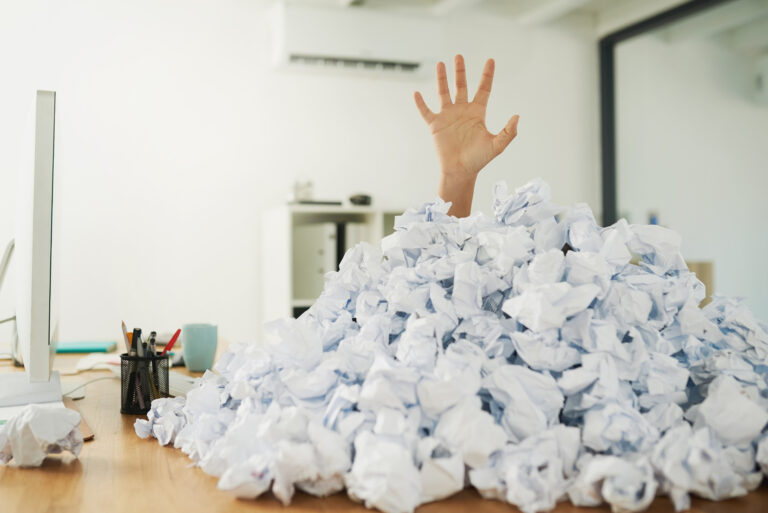
We live in a world drowning in paper. From bills and receipts to newspapers and textbooks, we constantly generate mountains of it.
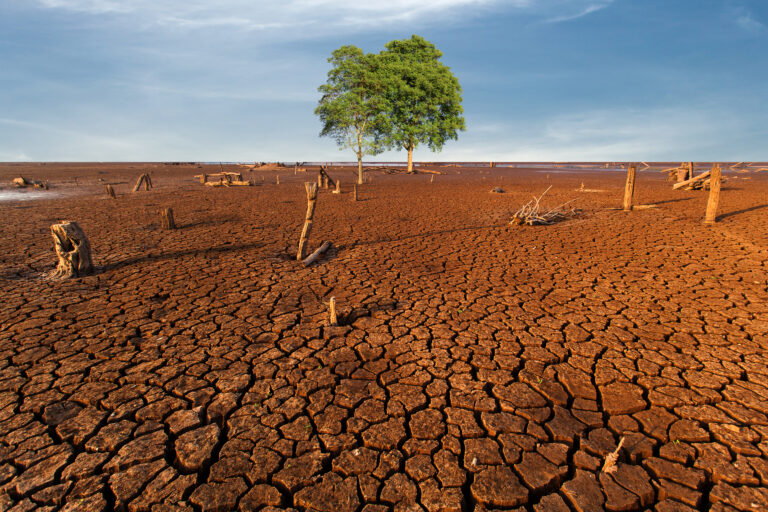
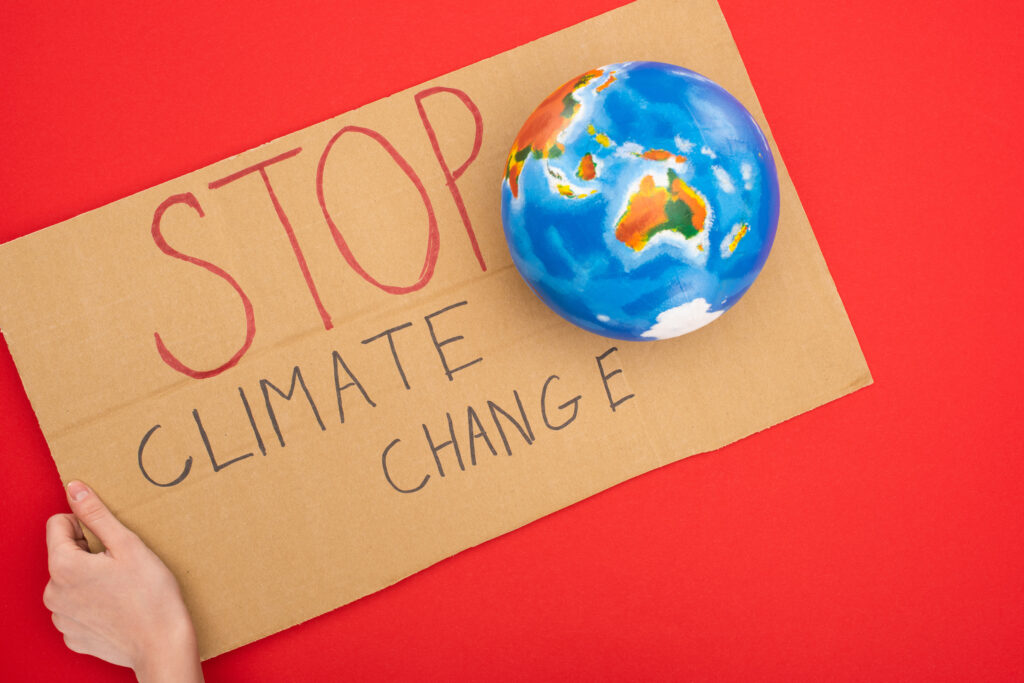
It might seem harmless enough, but the truth is, our love for paper has dire consequences for our planet. Trees, those magnificent carbon-absorbing giants, are felled at an alarming rate to meet this insatiable demand.
Think about it: each sheet of paper you use represents a tiny piece of a tree lost. And when you consider the sheer volume of paper consumed globally – billions and billions of trees every year – the impact becomes truly staggering. It’s not just deforestation; paper production also consumes vast amounts of water, energy, and chemicals, further polluting our air and waterways.
This relentless cycle fuels climate change, disrupts ecosystems, and threatens countless species that depend on forests for survival.
Table of Contents
Paperless Home: A Sustainable Solution
The good news is, we have a powerful tool at our disposal to combat this paper deluge make a paperless home. It’s about making conscious choices to reduce our reliance on physical documents and embrace digital alternatives.
Imagine: saying goodbye to overflowing file cabinets, shredding mountains of junk mail, and minimizing the clutter that takes over your living space. Going paperless isn’t just about saving trees; it’s about creating a simpler, more sustainable way of life.

Benefits for a Paperless Home
There are so many benefits to ditching paper and embracing the digital world, living in a paperless home. Honestly, it can feel liberating!
First, you’ll free up valuable space in your home. No more cluttered desks or overflowing filing cabinets. Think about all the things you could do with that extra room – a comfy reading nook, a dedicated crafting space, or even just a little peace and quiet.
Second, going paperless saves you time and money. No need to spend hours sorting through stacks of paperwork or trekking to the post office. Online bill payments are quick and convenient, and digital documents can be easily shared and stored. Plus, you’ll save on printing costs, postage, and storage fees.
Third, it’s environmentally friendly! By reducing your paper consumption, you’re helping protect our forests, conserve precious resources, and reduce pollution.
Tools for a Paperless Transition
Switching to a paperless home lifestyle is easier than you think! There are tons of fantastic tools available to help you make the transition.
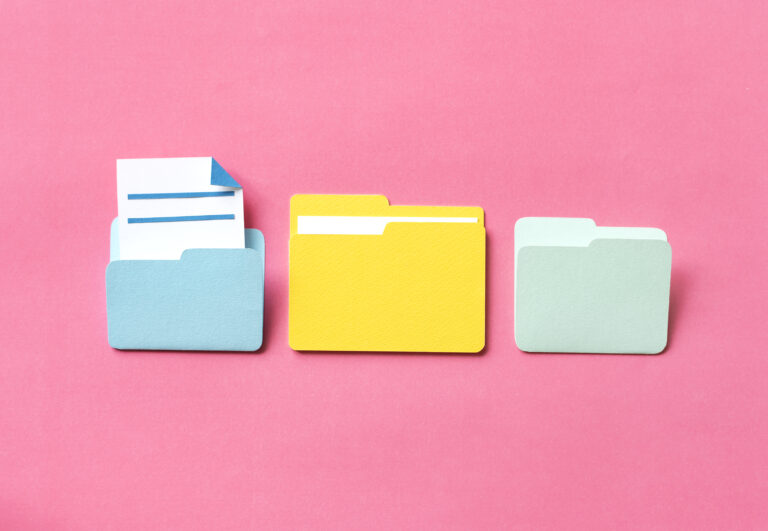
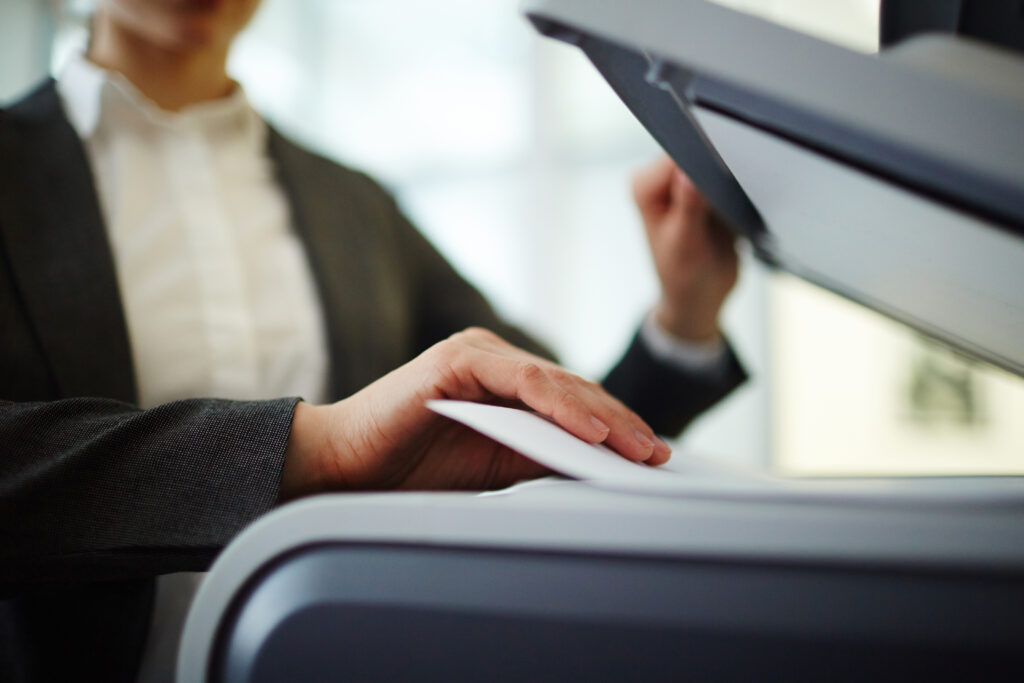
Start by digitizing your important documents. Scan them and store them securely in the cloud using services like Google Drive, Dropbox, or OneDrive. You can even use your smartphone’s camera to capture receipts and notes on the go.
Next, explore online bill pay options. Most banks and service providers offer this convenient feature, allowing you to manage your finances from the comfort of your own home.
Consider using a dedicated e-reader for books and magazines instead of relying on paper copies. And for those who love handwritten notes, try digital note-taking apps like Evernote or OneNote. They offer features like search functionality and cloud storage, making it easy to find and organize your thoughts.
Challenges and Considerations
Creating a paperless home isn’t without its challenges. Some people might feel hesitant to embrace digital alternatives due to privacy concerns or a preference for the tangible nature of paper. Others might struggle with organizing their digital files or adapting to new technologies.
It’s important to remember that transitioning to a paperless lifestyle is a gradual process. Start small, focus on areas where you can make the biggest impact, and gradually incorporate more digital tools into your daily routine. Don’t be afraid to ask for help if needed! There are plenty of resources available online and in your community to guide you through the process.
The Environmental Impact of Going Paperless
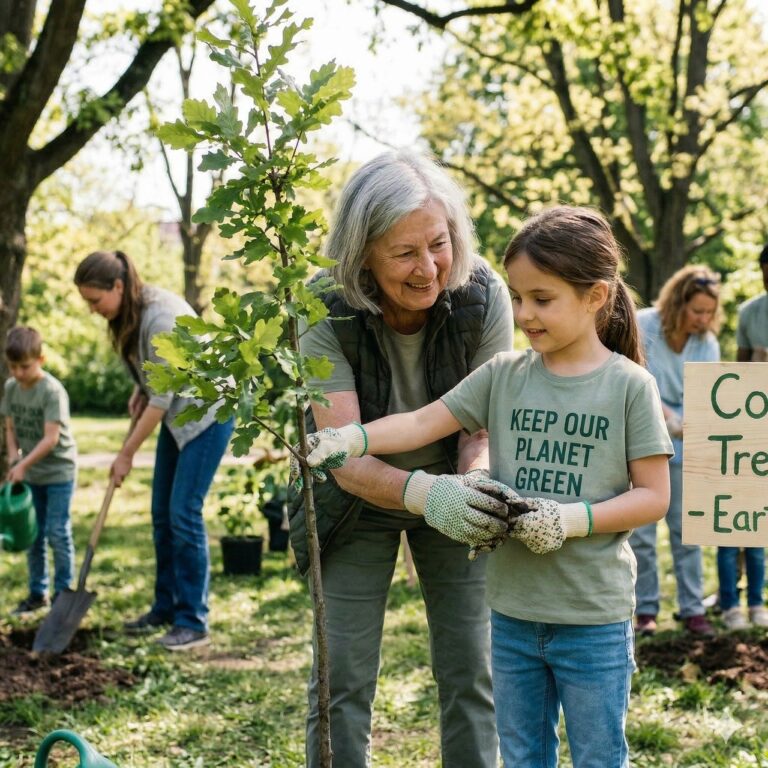
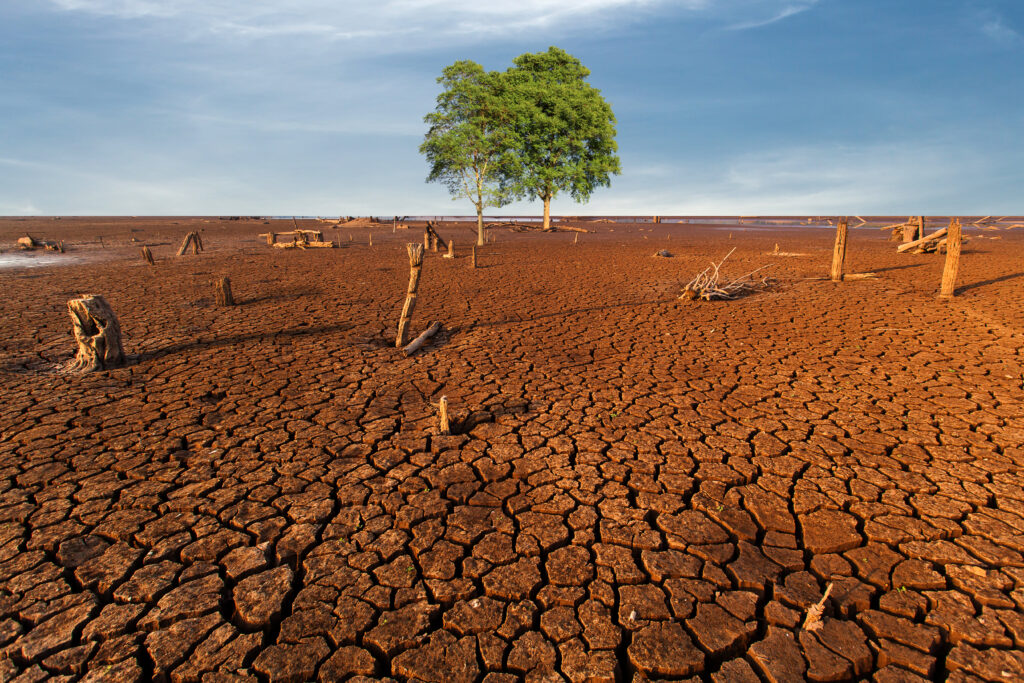
Think about all those trees saved! A paperless home has a significant positive impact on our environment. By reducing deforestation and the consumption of paper products, we can help preserve forests, protect biodiversity, and combat climate change.
The environmental benefits extend beyond trees. Paper production is a water-intensive process, consuming vast amounts of this precious resource. By going paperless, you’re helping conserve water and reduce the strain on our freshwater ecosystems.
Furthermore, digital documents require significantly less energy to create and share compared to their paper counterparts. This translates to lower greenhouse gas emissions and a smaller carbon footprint for your daily activities.
Conclusion: Towards a Greener Future
Embracing a paperless lifestyle isn’t just about convenience; it’s about making a conscious choice to live more sustainably. Every step we take to reduce our paper consumption contributes to a healthier planet for ourselves and future generations.
So, let’s ditch the paper clutter, embrace the power of digital technology, and work together towards a greener future. One tree at a time!